

Microsoft Faces Growing Backlash as Massive Windows 10 Userbase Resists Final Migration
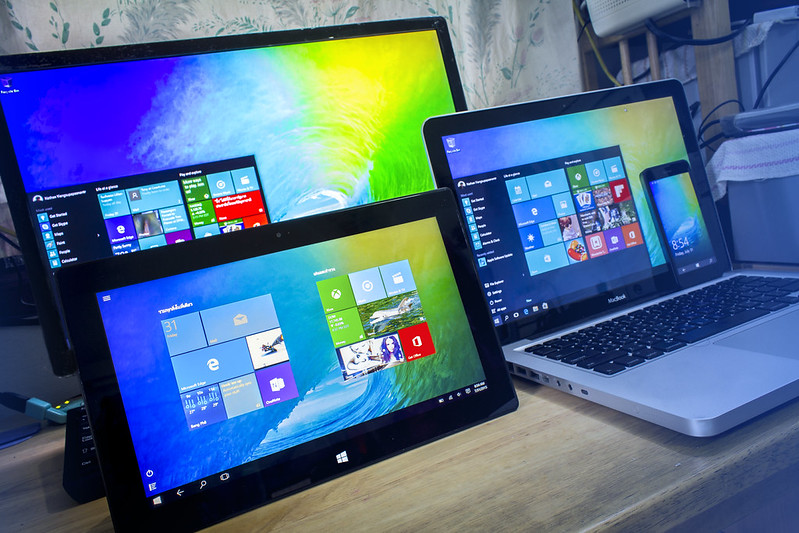
DNI SUMMARY — KEY POINTS
- Recent reports indicate that roughly thirty percent of active HP hardware remains stubbornly tethered to the aging Windows 10 operating system platform.
- Microsoft has been forced to reconsider its aggressive deprecation timeline due to significant pushback from enterprise clients and individual users alike.
- Hardware compatibility requirements for Windows 11 have created a massive barrier for millions of consumers who now face unplanned hardware investment costs.
- Industry analysts suggest that the slow transition process reflects a deep-seated hesitation regarding hardware reliability and the necessity of newer platform features.
- Local government and enterprise IT departments are scrambling to finalize migration strategies before the final security update window closes for good.
The looming expiration of Windows 10 support has sent shockwaves through the technology industry as manufacturers grapple with a surprisingly resilient user base. Recent internal data from HP reveals that nearly thirty percent of its active PC fleet continues to run the older operating system rather than transitioning to the latest version. This refusal to upgrade highlights a growing disconnect between software developer requirements and the practical realities faced by everyday corporate and home office users who prioritize stability over feature updates.
Hardware Compatibility Challenges
Market resistance stems primarily from the stringent hardware requirements mandated by the shift to the successor platform. Millions of perfectly functional devices lack the specific TPM 2.0 security modules or processor architecture deemed necessary for the newer installation. This artificial obsolescence has alienated a significant portion of the consumer market, leading to widespread frustration as users contemplate the environmental and financial costs associated with replacing perfectly capable machines that simply fall short of arbitrary new software criteria.
Corporate environments are particularly vulnerable to this transition period as entire fleets of legacy machines reach the end of their service life simultaneously. IT administrators tasked with managing thousands of workstations report that the cost of immediate hardware replacement is prohibitive when faced with shrinking operational budgets and competing business demands. The persistence of older software installations suggests that the value proposition of the newer operating system has not sufficiently outweighed the immense logistical burden of a total system overhaul.
Thirty percent of active HP computer hardware continues to run on Windows 10 despite the impending end of support.
Economic Impact of Upgrades
Microsoft has acknowledged the mounting pressure by offering extended support options for a fee, a move that addresses only the most well-funded organizations. This financial barrier effectively creates a digital divide that punishes smaller enterprises and individual home users who lack the resources to pivot quickly. Critics argue that the company is effectively forcing a hardware upgrade cycle that ignores the operational continuity of its most loyal customers while prioritize short-term revenue growth over long-term platform stability and user satisfaction.
The ongoing struggle underscores a fundamental shift in how personal computing devices are perceived within the modern economy. Consumers once viewed their hardware as a long-term investment, but the accelerated software lifecycle now turns functional PCs into potential security liabilities within just a few years. This paradigm shift threatens to disrupt the broader laptop market as users become increasingly wary of investing in premium hardware that may face similar software-induced obsolescence cycles shortly after their initial purchase date is finalized.
Digital Divide and Security
Third-party repair channels and independent IT service providers have stepped up to bridge the gap left by manufacturer indifference during this transition. Many experts are now documenting methods to bypass strict installation checks, allowing users to keep their current hardware running for as long as possible. These unofficial workarounds have gained significant traction on forums and social media, signaling a widespread rejection of the restrictive policies that characterize the current trajectory of the primary operating system development teams.
Stricter security requirements for the latest operating system have rendered millions of functional machines technically incompatible with official upgrades.
Government agencies are among the most impacted entities, as they must balance strict security compliance mandates with the reality of aging infrastructure. Officials tasked with protecting sensitive data are now forced to weigh the risks of running unsupported software against the sheer impossibility of upgrading entire municipal networks in such a compressed timeframe. This delicate balancing act serves as a primary driver for the conversations occurring between software vendors and public sector leaders who demand more flexible support options.
The Path Toward Resolution
Future market trends will likely be dictated by how effectively companies like Microsoft manage this massive transition without alienating their core demographic. Continued reliance on outdated systems poses a genuine risk to global cybersecurity, yet the current approach has failed to incentivize the necessary migration pace. As the deadline for the final security updates draws closer, the industry remains on high alert, waiting to see if additional concessions will be granted to prevent a catastrophic scenario for the modern digital ecosystem.
sectionHeadings
Hardware Compatibility Challenges
Economic Impact of Upgrades
Digital Divide and Security
The Path Toward Resolution
KEY TAKEAWAYS
Many small businesses are forced to choose between massive capital expenditures or paying for expensive extended security support services.
Independent technical channels are documenting widespread bypass methods to keep legacy devices operational beyond the official retirement date.