

Marine Mystery Solved: New Stomach Bacteria Linked to Whale Health Discovered
DNI SUMMARY — KEY POINTS
- Researchers at Florida Atlantic University have identified three previously undocumented Helicobacter bacterial genotypes within the stomachs of stranded pygmy sperm whales.
- The discovery, published in the Journal of Wildlife Diseases, involved a twenty-year analysis of necropsy data and preserved tissue samples from stranded marine mammals.
- Clinical veterinarian Annie Page noted that these novel strains are significant because similar bacteria are frequently associated with chronic gastritis and ulcers in humans.
- This scientific breakthrough provides essential new insights into the physiological challenges faced by these elusive, deep-diving whales that remain rarely observed in the wild.
- Future research will aim to determine the prevalence of these specific infections and their potential role in broader marine wildlife health and environmental stress.
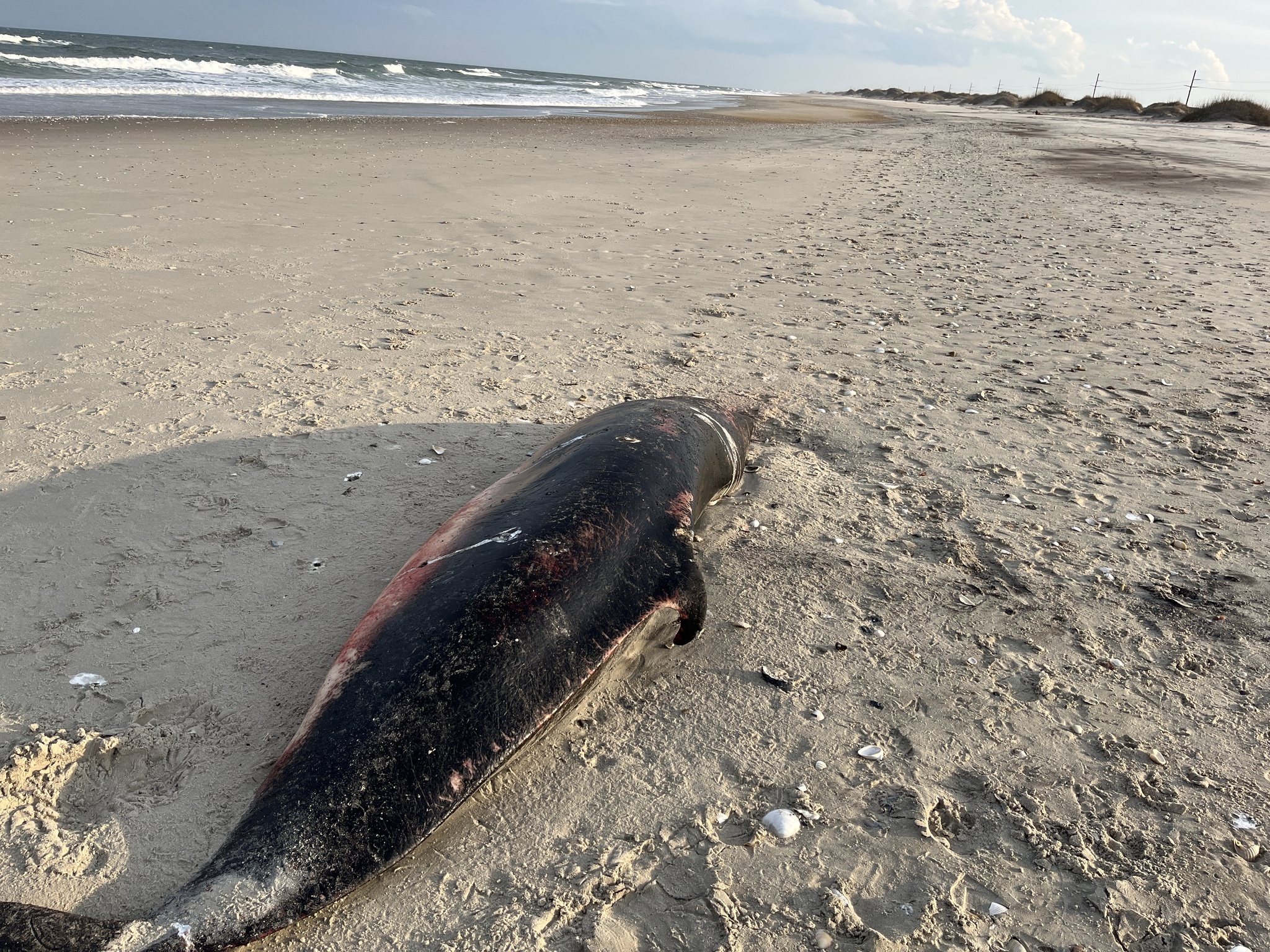
Marine biologists have reached a significant milestone in understanding the physiological threats facing elusive deep-diving cetaceans by identifying three novel bacterial genotypes. Scientists at Florida Atlantic University Harbor Branch Oceanographic Institute discovered these unique Helicobacter strains during post-mortem examinations of stranded pygmy sperm whales. This discovery, detailed in a peer-reviewed study, sheds light on the complex biological factors that may contribute to the frequent stranding events observed along the southeastern coastline. These findings underscore the critical importance of necropsy data in deciphering the hidden health struggles of marine species.
Uncovering Hidden Marine Pathogens
The process of identifying these organisms required a meticulous review of over two decades of stranding records, encompassing data from 1999 through 2020. Researchers analyzed tissue samples from 59 individual whales to confirm the presence of spiral-shaped bacteria, technically classified as spirilliform organisms, within the stomach lining. Through advanced molecular testing and rigorous DNA sequencing, the team successfully isolated the three distinct genotypes, which they have formally designated as Kogia Helicobacter 1, 2, and 3. This systematic approach ensures the scientific community has a reliable framework for future comparative studies regarding gastrointestinal pathogens.
Gastrointestinal health remains a cornerstone of survival for marine mammals, yet it is an area plagued by limited observational opportunities for secretive species. The pygmy sperm whale occupies an ecological niche that takes it far from shore, making them notoriously difficult to study in their natural, deep-sea habitats. By analyzing the gut microbiome of these animals, researchers can better understand how pathogens like Helicobacter potentially influence long-term health and survival rates. This study bridges a substantial knowledge gap by linking specific microbial inhabitants to the internal clinical presentations observed in stranded marine wildlife.
Researchers identified three previously undocumented Helicobacter genotypes that are associated with gastric issues in pygmy sperm whales.
Methodology of Microbial Identification
Veterinary professionals and marine researchers emphasize that these bacteria often correlate with severe medical issues, ranging from localized stomach ulcers to broader systemic infections. Clinical veterinarian Annie Page highlighted the intrigue surrounding this discovery, noting that such bacteria are well-known for causing chronic gastritis and various gastrointestinal disorders in terrestrial mammals and humans. The presence of these strains in a whale species that spends the majority of its life in the depths of the ocean raises profound questions regarding the ubiquity and evolution of stomach-dwelling bacteria across diverse animal classes.
The implications of this discovery extend beyond basic taxonomy, touching upon the critical field of wildlife conservation and ocean health. Understanding the microbial burden on stranded populations provides a clearer picture of the cumulative stressors that impact marine life, including pollutants and shifting oceanic conditions. As scientists continue to monitor the health of these mammals, the newly identified bacteria serve as a vital indicator for assessing the overall biological well-being of whale populations in the Atlantic. This evidence adds a new layer to the complex puzzle of marine mammal health management.
Broad Implications for Conservation
Modern diagnostic techniques, including histopathology and high-throughput sequencing, were instrumental in identifying these organisms after they remained obscured for years. The ability to extract high-quality data from preserved samples demonstrates the value of long-term biological archives in modern veterinary science. Each identified genotype represents a distinct evolutionary branch that researchers can now monitor with greater precision in future strandings. This high level of analytical detail allows for more accurate health assessments that were previously hindered by the limitations of conventional microscopy and traditional observational techniques.
The study analyzed records from 59 strandings that occurred between 1999 and 2020 along the southeastern United States coast.
As global interest in microbiome health continues to rise, the discovery serves as a reminder that stomach-dwelling pathogens are significant players in the health of both domestic and wild animals. Researchers now plan to investigate how these Kogia-specific bacteria interact with the host immune system during times of stress. By characterizing these interactions, the scientific team hopes to develop broader theories about the transmission and pathogenic potential of these microbes in marine ecosystems. This work marks a foundational step toward understanding the complex microbial landscape of the ocean's most elusive giants.
Future Directions in Research
Looking ahead, the team expects to collaborate with global marine institutions to determine if these bacteria are prevalent in pygmy sperm whale populations worldwide. Expanding the scope of this research will clarify whether these genotypes are limited to regional strandings or represent a more widespread phenomenon in the global marine environment. This ongoing investigation will ultimately help conservationists refine their response protocols for future strandings, potentially improving the chances of medical intervention and survival for these delicate creatures. The journey from initial discovery to comprehensive ecological understanding is just beginning.
KEY TAKEAWAYS
Helicobacter bacteria have long been recognized for their role in causing chronic gastritis, stomach ulcers, and even gastric cancer in many animals.
Post-mortem examinations were successfully completed on 80 percent of the stranded pygmy sperm whales included in the long-term study.