

Celestial Impact: How a Massive Meteorite Shaped Ghana's Gold-Rich Crater Lake
DNI SUMMARY — KEY POINTS
- Ghana's Lake Bosumtwi was formed approximately one million years ago when a massive space rock struck the Earth, creating a deep impact crater.
- Recent geological studies reveal that the crater possesses unique characteristics that have facilitated the concentration of valuable mineral resources like gold deposits.
- Researchers from various international academic institutions are currently investigating the site to better understand how such impact events influence global geological evolution.
- Local officials and conservationists are warning that illegal mining activities pose a significant threat to the environmental stability and integrity of this site.
- Future scientific efforts will use the crater as a terrestrial model to study rampart craters found on other planetary bodies like Mars.
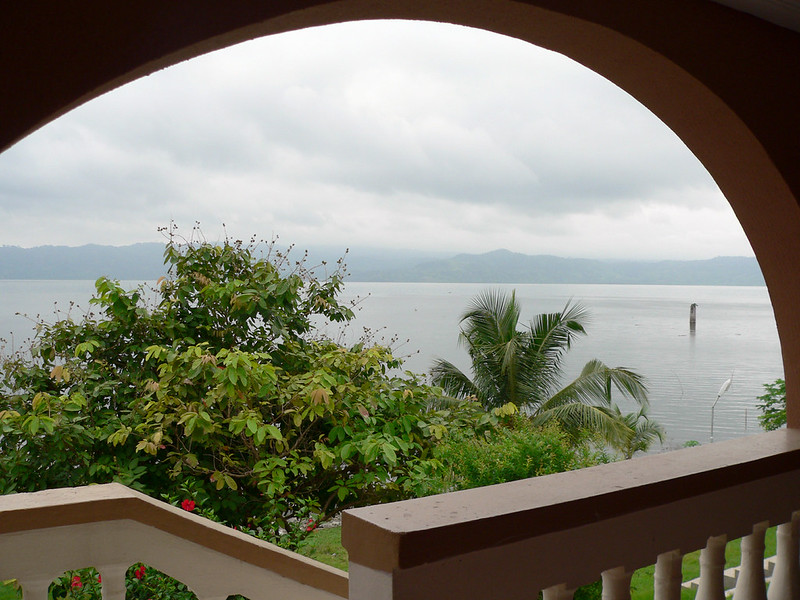
The formation of Lake Bosumtwi represents a rare and well-preserved geological event that continues to captivate the global scientific community today. Formed roughly one million years ago when a massive meteorite slammed into the Ashanti region of Ghana, the site serves as a vital laboratory for understanding terrestrial impacts. Unlike many other craters that have been eroded or buried over deep time, this basin remains remarkably distinct, providing a window into the intense forces that once shaped the surface of our planet. Its unique structure is now attracting researchers who aim to link these prehistoric collisions to the distribution of precious metals.
Geology Behind the Gold
Geological investigations suggest that the extreme pressures and temperatures associated with the initial impact may have played a critical role in concentrating mineral deposits within the surrounding area. Scientists have observed that the unique geology of the rim likely acted as a conduit for hydrothermal activity, which often precedes the deposition of gold. As mining interests grow in the region, geologists are racing to map the geochemical signature of the crater floor. These efforts aim to clarify exactly how the kinetic energy of a space rock translates into long-term resource abundance for the surrounding district.
The cultural significance of the lake is just as profound as its geological history, as it holds deep meaning for the local Asante people. Often referred to as the lake of souls, the site is steeped in traditional lore involving hunters and mythological sightings that date back generations. This duality of scientific and cultural importance necessitates a careful management strategy that balances academic curiosity with heritage protection. Recognizing the dual identity of the basin, officials have been pressured to categorize it as a site of national importance to ensure that its pristine beauty remains intact for future exploration.
Lake Bosumtwi was formed approximately one million years ago following a massive meteorite impact that created a highly preserved crater basin.
Threats to Protected Landscapes
Concerns regarding illegal mining operations have intensified as reports surface about unauthorized groups disturbing the sediment and fragile ecology of the lake. Environmental scientists emphasize that the physical structure of the crater is delicate, and any large-scale extraction efforts could irreversibly destroy its scientific value. By targeting the crater rim and surrounding slopes, illegal miners are not only degrading the natural landscape but also erasing the physical evidence required for modern research. Urgent policy intervention is currently being debated to mitigate these risks and safeguard the area from further anthropogenic damage.
Recent morphological studies have provided a fascinating link between this Ghanaian landmark and the cratered landscapes of outer space. Researchers discovered that the basin exhibits features characteristic of rampart craters, which are commonly documented on Mars and icy bodies throughout the solar system. This terrestrial parallel allows planetary scientists to test hypotheses in a laboratory setting that is much more accessible than the surface of a distant planet. The findings suggest that understanding the mechanics of this crater is essential for predicting the terrain characteristics that space missions might encounter in the future.
Parallels with Martian Terrain
Technological advancements, including high-resolution satellite imagery from NASA's Landsat, have revolutionized the way scientists observe the lake's unique geography. These aerial views reveal distinct golden-toned vegetation patterns that align with the geological boundaries of the impact site, offering new data points for mineral surveys. By combining remote sensing data with field samples, researchers are building a comprehensive model of the lake's history and potential mineral wealth. This multifaceted approach has become the gold standard for studying impact craters across diverse and difficult terrain worldwide.
Recent analysis suggests the unique geological conditions created by the impact played a vital role in the formation of local gold deposits.
The debate over the preservation of the crater underscores the broader struggle to protect Earth's remaining impact sites from industrial encroachment. Unlike other areas of natural heritage, the value of this site is rooted in its vulnerability to erosion and human activity. The Syracuse University research teams involved in the project continue to highlight the importance of documenting these unique features before they are lost to time or exploitation. Their work serves as a critical argument for international bodies to provide technical support and oversight for the conservation of this scientific treasure.
Charting Future Scientific Discoveries
Future research initiatives aim to utilize the site as a long-term monitoring station to track changes in the local tropical climate and its impact on the basin. By examining layers of sediment that have accumulated over hundreds of thousands of years, scientists hope to piece together a history of environmental shifts in West Africa. This data will be instrumental in broader climate studies, reinforcing the crater's status as a global resource for both space science and planetary geology. Continued protection will ensure that these secrets remain available for researchers to unlock in the decades to come.
KEY TAKEAWAYS
The crater serves as a terrestrial analogue for rampart craters frequently observed on Mars and various icy bodies in our solar system.
Researchers warn that illegal mining operations are currently threatening the integrity of the crater and its potential for further scientific study.