

Ancient Meteor Strike Unlocks Hidden Gold Riches in Ghana's Sacred Lake
DNI SUMMARY — KEY POINTS
- A massive meteorite collided with Earth approximately one million years ago, creating the nearly circular Bosumtwi impact crater in southern Ghana.
- Scientists from various research institutions have utilized advanced geological analysis to determine how this violent extraterrestrial impact concentrated valuable gold deposits.
- The site is locally revered by the Ashanti people as the Lake of Souls, serving as a sanctuary of immense spiritual and cultural importance.
- Recent satellite imagery from NASA has revealed significant increases in gold mining activities around the crater, raising concerns among environmental and geological experts.
- Researchers are now advocating for urgent protective measures to preserve the crater for its unique morphological value and its potential to model planetary impacts.
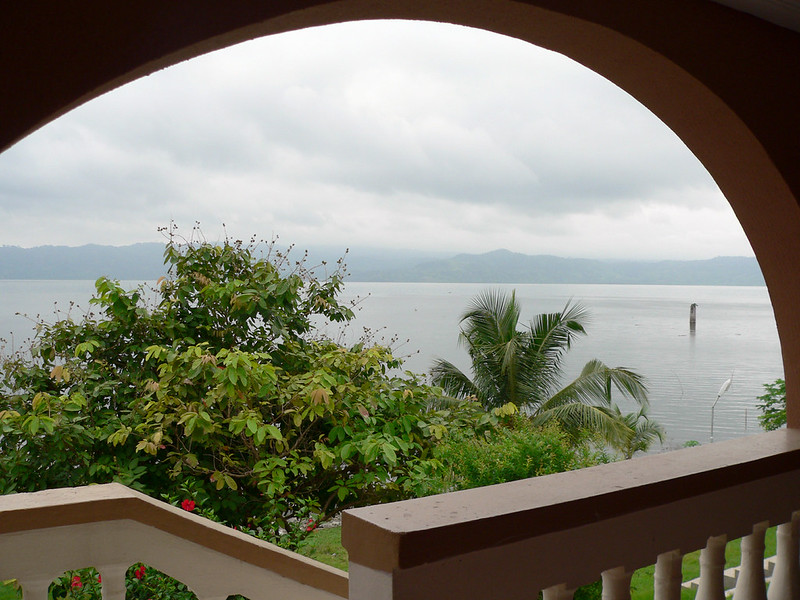
Deep within the Ashanti Region of Ghana lies a geological marvel that serves as a terrestrial bridge to the broader cosmos. Lake Bosumtwi, an expansive body of water spanning roughly 49 square kilometers, was formed nearly one million years ago when a high-velocity space rock slammed into the planet. This cataclysmic event excavated a massive basin, carving out a circular depression that remains one of the few well-preserved impact craters on Earth. The extreme kinetic energy released during the strike fundamentally altered the local landscape and deep subterranean rock structures.
Catastrophic Origins of the Crater
The geological transformation initiated by the collision did more than just shape the surface of the region. As the crater formed, the intense heat and pressure from the impact fractured existing geological layers, facilitating the migration of mineral-rich fluids. This process is now believed to have played a pivotal role in the concentration of precious metals, including gold deposits, within the surrounding crust. Satellite data from NASA confirms that these mineral veins remain accessible, drawing significant attention from mining interests that threaten the ecological balance of the area.
Beyond its scientific value, the lake occupies a central place in the cultural fabric of the local Ashanti population. Revered as the Lake of Souls, tradition holds that the spirits of the deceased arrive at its shores to bid farewell to the deity Twi. This profound cultural connection has inadvertently served as a shield, preserving the environment for centuries through local taboos that discourage disruptive human activity. The preservation of this site is essential, as it represents a rare convergence of geological history, cultural heritage, and ecological stability in West Africa.
Lake Bosumtwi was formed approximately one million years ago by a high-velocity meteor strike that left a 10.5 kilometer wide crater.
Geology of the Mineral Riches
The site acts as a premier natural laboratory for planetary scientists seeking to understand impact cratering processes. Morphological studies have revealed that the crater shares distinct features with rampart craters found on Mars and Venus, as well as on icy moons like Ganymede and Europa. By analyzing the rim structure and basin composition, researchers can gain deeper insights into how such impacts reshape rocky and icy surfaces throughout our solar system. The preservation of these features is paramount for continuing the study of planetary evolution and impact history.
Despite its status as a geological treasure, the site currently faces mounting pressures from uncontrolled mining activities. Observations captured by the Landsat 8 satellite highlight the growing presence of excavations encircling the lake, which could destabilize the landscape and degrade the water quality. The encroachment of industrial interests into this fragile ecosystem risks erasing the unique geological signatures that researchers rely on to study the past. Without intervention, these essential records of our planet's violent history may be compromised by the ongoing extraction of mineral resources.
Challenges to Environmental Preservation
Scientists involved in morphological analysis have expressed significant concern regarding the sustainability of the crater environment. The studies conducted between 2019 and the present suggest that the integrity of the crater's rim and plateau is increasingly vulnerable to illegal mining operations. Protecting this site requires a multi-faceted approach that balances the economic needs of the local communities with the necessity of preserving a global heritage site. The challenge lies in establishing a framework that treats the area as a living monument rather than a simple source of wealth.
The crater serves as a unique terrestrial analog for rampart craters found on planets like Mars and Venus.
The scientific community remains committed to utilizing modern seismic reflection and remote sensing to monitor the health of the crater basin. By mapping the subsurface layers, researchers aim to document the full extent of the impact's geological legacy before further erosion or human activity alters the terrain. These efforts are not merely for the sake of scientific record, but for the protection of a site that continues to provide critical data about planetary impact dynamics. Every layer of sediment extracted through mining effectively erases a page from Earth’s ancient history.
Global Significance for Future Research
Looking forward, the path to preservation involves engaging international bodies such as UNESCO to secure the site's future. The crater serves as a rare example of a well-preserved collision, making it an invaluable asset for educating the public on the forces that have shaped Earth since its inception. Integrating traditional ecological knowledge with modern geological findings will be key to ensuring the region remains intact. Protecting this site ensures that the secrets of its formation will remain available to future generations of Earth scientists and historians alike.
KEY TAKEAWAYS
Satellite imagery from NASA confirms that the lake is the only natural lake in Ghana formed by an extraterrestrial collision.
Cultural traditions of the Ashanti people have historically shielded the lake from human interference for centuries.