

Acoustic Ingenuity: Japanese Horseshoe Bats Master the Art of Sonar Filtering
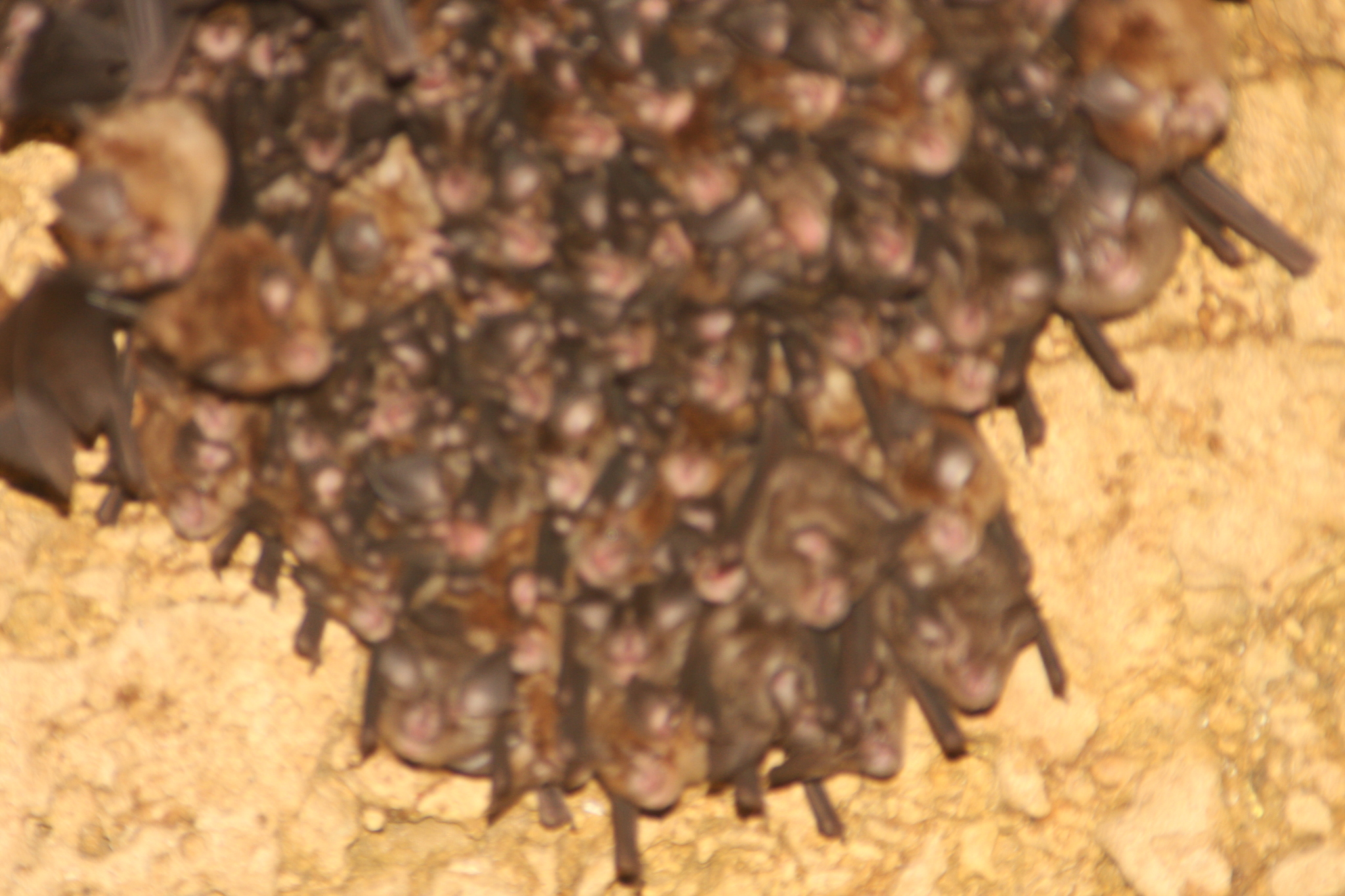
DNI SUMMARY — KEY POINTS
- Researchers discovered that Japanese horseshoe bats have developed a sophisticated biological mechanism to maintain acoustic clarity while navigating through densely populated flight colonies.
- The study highlights how these nocturnal creatures utilize silent frequency zones to isolate specific echoes from prey even when surrounded by noisy neighbors.
- Biologists observed that the bats strategically shift their vocalization frequencies to avoid overlapping with the intense ultrasonic output produced by other nearby colony members.
- Experts emphasize that this evolutionary adaptation offers profound insights into how biological systems process information under extreme conditions of external auditory interference.
- Future studies are expected to explore how these sonar techniques might be replicated in human-engineered technologies to improve high-frequency sensing and communication systems.
In the dark, crowded caves of East Asia, the Japanese horseshoe bat operates with an level of precision that defies the chaos of its surroundings. These mammals thrive in dense colonies, where hundreds of individuals navigate simultaneously while constantly emitting high-frequency sound pulses for echolocation. Until recently, the mechanism allowing them to avoid acoustic congestion remained a mystery to the scientific community. New findings indicate that these bats possess an remarkable ability to carve out silent frequency zones, effectively filtering through the background noise of their peers to pinpoint the precise location of flying insect prey.
Navigating Acoustic Overload
Navigating Acoustic Overload
The primary challenge for any species relying on echolocation in a group setting is the potential for signal collision, which could lead to disorientation. Research teams analyzing these Japanese horseshoe bats found that individuals do not merely rely on volume to be heard above the crowd. Instead, they dynamically adjust their emitted ultrasonic signals, choosing specific frequency bands that are not currently occupied by the pulses of nearby bats. This subtle calibration acts much like a private radio channel in a crowded room, allowing the predator to isolate the faint echo of a moth from the clamor of the colony.
Japanese horseshoe bats solve complex sonar congestion by dynamically shifting their own vocalization frequencies to avoid overlap with nearby colony members.
Decoding Biological Signals
Evolutionary biology suggests that this capability is not merely a reflexive response but a highly developed cognitive strategy refined over thousands of generations. By monitoring the acoustic environment, these small mammals can detect potential overlap before it occurs, ensuring their survival in high-density environments. This internal sonar management provides a distinct competitive advantage, as it allows the species to exploit foraging grounds that other predators might find too noisy or chaotic to successfully hunt within during the height of the active evening cycle.
Decoding Biological Signals
Mastering Frequency Coordination
Laboratory observations have provided the first concrete evidence of how the auditory system integrates these shifts in real time. Scientists employed high-resolution ultrasonic sensors to map the soundscapes generated by the bats during flight. The data showed that when a bat detects the incoming call of another individual, it instantly shifts its own transmission frequency. This rapid adjustment demonstrates an extraordinary level of neuro-processing power, highlighting the complexity of the bat brain when dealing with auditory streams that must be parsed within milliseconds to prevent a loss of environmental awareness.
The ability to isolate prey echoes within a crowded colony is a highly developed biological adaptation for surviving in high-density environments.
Technological applications for this research are already being discussed by engineers interested in improving drone swarm coordination and autonomous vehicle sensing. Current radar and sonar systems often struggle when placed in close proximity to similar devices due to signal interference. By mimicking the acoustic filtering techniques found in nature, developers could potentially design systems that intelligently negotiate bandwidth without needing central coordination. This transition from biological study to mechanical application represents a shift in how we approach the design of complex, multi-agent robotic systems in industrial environments.
Future Research and Implications
Mastering Frequency Coordination
Data collected from the field suggests that the frequency shift is not random but follows a complex set of protocols based on distance and colony density. As more bats join the flight path, the range of available frequencies becomes increasingly compressed, yet the bats manage to maintain accuracy. This indicates that the evolutionary pressure to succeed in social foraging has driven the development of a social intelligence that is as much about communication etiquette as it is about physical navigation. Such behavioral patterns offer a unique lens into the intricate social structures maintained by these animals.
Future investigative efforts will likely focus on the specific genetic markers that allow for such precise auditory plasticity in the horseshoe bat lineage. Understanding whether this trait is innate or learned through developmental exposure remains a significant question for behavioral ecologists. As researchers continue to monitor these colonies, they hope to identify the limits of this frequency agility, providing a better understanding of how environmental changes might impact the long-term viability of these highly specialized and sophisticated nocturnal predators in the modern world.
KEY TAKEAWAYS
Engineers are looking at the sonar techniques of these bats as a potential blueprint for improving the coordination of autonomous drone swarms.
The rapid auditory processing required for this frequency agility suggests a sophisticated level of neuro-processing power in the bat brain.