

India Bolsters Eurasian Ties Amid Shifting Regional Security Dynamics
DNI SUMMARY — KEY POINTS
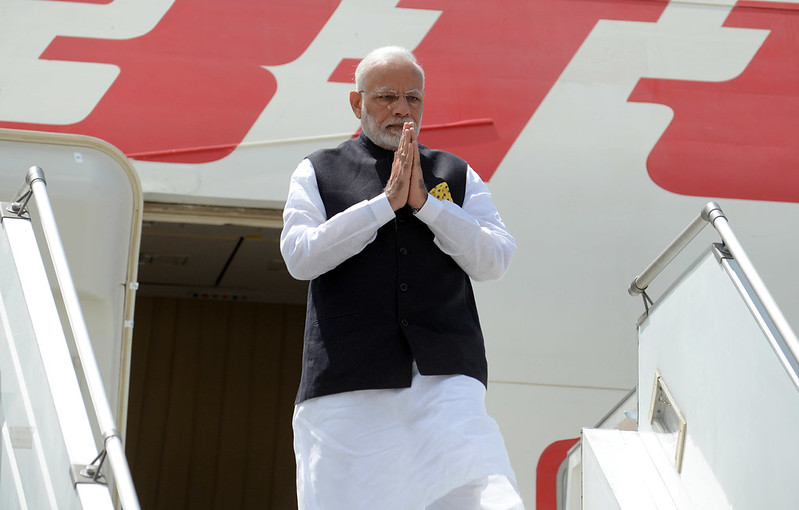
- Prime Minister Narendra Modi is embarking on an extensive diplomatic tour involving the Shanghai Cooperation Organisation summit in Kyrgyzstan to solidify regional influence.
- India is prioritizing deepened cooperation with Central Asian republics to counter rising security threats and enhance connectivity corridors across the Eurasian landscape.
- Strategic engagement with nations like Uzbekistan remains a cornerstone of India's multi-vector policy to diversify energy sources and bypass traditional logistical constraints.
- Experts emphasize that while historical ties are strong, India must navigate complex pressures from great-power competition between Russia, China, and Western powers.
- Future outreach will focus on economic integration, humanitarian aid, and formalizing trade agreements to maintain India's position as a pivotal strategic partner.
India is currently navigating a pivotal phase in its foreign policy, marked by an intensified diplomatic outreach across Central Asia and the broader Eurasian region. Prime Minister Narendra Modi is scheduled to participate in high-stakes multilateral forums, beginning with the Shanghai Cooperation Organisation summit in Bishkek. This diplomatic cadence reflects New Delhi's ambition to secure its borders, promote regional stability, and expand economic ties with key republics. By actively engaging with neighbors in an uncertain global climate, the Indian government seeks to protect its national interests while countering the influence of competing geopolitical actors.
Strategic Partnerships and Regional Influence
Central Asia remains a critical theater for India's strategic vision, rooted in centuries of civilizational exchange and modern necessity. Diplomatic efforts have gained significant momentum through frameworks like the India-Central Asia Dialogue, which focuses on security, energy, and shared prosperity. While historical links are foundational, the modern partnership is increasingly defined by the need for robust counterterrorism cooperation and shared intelligence sharing. New Delhi is working diligently to institutionalize these ties, moving beyond periodic summits toward consistent engagement that addresses the evolving security challenges emanating from the volatile Afghan border region.
Energy security serves as a primary driver for New Delhi's proactive engagement with nations like Uzbekistan and Kazakhstan. These resource-rich countries are essential for India's long-term energy diversification strategy, particularly regarding the supply of uranium and hydrocarbons. As India scales its civil nuclear program, secure access to these critical materials is non-negotiable. Furthermore, developing consistent, sustainable trade routes requires deep cooperation with local governments to overcome the geographic limitations inherent in being a landlocked, yet centrally positioned, Eurasian partner for the growing Indian economy.
India has adopted the theme Building for Resilience, Innovation, Cooperation and Sustainability for its 2026 presidency of the Brics group.
Overcoming Structural and Logistical Hurdles
Connectivity stands as the most significant hurdle in transforming these diplomatic ambitions into tangible economic gains. The International North-South Transport Corridor represents a vital initiative intended to bridge the logistical gaps that hinder bilateral trade between India and the Central Asian region. By investing in multi-modal transit solutions, New Delhi aims to bypass traditional bottlenecks and reduce dependence on long, expensive supply chains. This infrastructure-heavy approach is designed to foster a more resilient, integrated market that benefits both the Indian industrial sector and the rapidly developing economies of its Central Asian counterparts.
The geopolitical landscape is increasingly defined by the overlapping ambitions of global powers and the strategic autonomy of regional states. India is carefully balancing its relationships to avoid being sidelined by the influence of China and the economic statecraft practiced by regional giants. This delicate act of balancing involves maintaining strong ties with Western partners while simultaneously engaging in sanction-resilient diplomacy. New Delhi’s commitment to a multipolar order allows it to act as a bridge-builder, positioning itself as a reliable, development-oriented partner that respects the sovereignty of smaller, strategically located nations.
Navigating Multipolar Great Power Competition
Security concerns regarding Afghanistan continue to necessitate a pragmatic approach toward regional stability and border integrity. India has shifted from passive observation to active, measured engagement, utilizing multilateral platforms to voice concerns about extremism and regional stability. This shift is critical, as the spillover effects of instability in the Af-Pak region directly impact the security architecture of neighboring republics. By fostering regional cooperation initiatives, New Delhi aims to ensure that no single entity dictates the security narrative, thereby creating a collaborative environment that prevents the re-emergence of safe havens for militant groups.
The Shanghai Cooperation Organisation was originally established to facilitate security and counter-terrorism, but has since expanded to include energy and trade.
The economic aspect of this outreach is being fueled by private and public sector collaboration, led by organizations such as the Federation of Indian Chambers of Commerce and Industry. Business forums are being utilized to create direct links between Indian enterprises and regional partners in sectors ranging from pharmaceuticals to information technology. These efforts are not merely symbolic but are designed to create lasting economic interdependencies that endure beyond political cycles. By providing a credible, democratic alternative for trade and investment, India hopes to cement its role as a cornerstone of the regional economic architecture.
Future Outlook for Eurasian Integration
Looking ahead, the success of India's diplomatic strategy hinges on its ability to execute long-term commitments and maintain consistent, high-level interaction. The focus will likely shift toward completing connectivity projects and formalizing trade agreements that provide mutual economic security. As India ascends to its projected role as the world's third-largest economy, its influence over Eurasian transit corridors is expected to grow. The challenge remains to harmonize these ambitious goals with the realities of a shifting global order, ensuring that India’s partnerships in Central Asia yield substantive results for years to come.
KEY TAKEAWAYS
Uzbekistan, as one of only two double-landlocked nations globally, is currently prioritizing a multi-vector transport strategy to reduce logistical bottlenecks.
India’s engagement with Central Asia is driven by the strategic need for long-term uranium supply agreements to support its civil nuclear energy program.